Roof Anatomy 101: Parts of a Roof Explained for Michigan and Indiana Homes
Your roof does more than keep out rain and snow—it protects your home and family every day. But do you know what makes up your roof? Understanding the parts of a roof helps spot trouble early and keeps your home safe through Michigan’s harsh winters and Indiana’s storms. Let’s break down roof anatomy in clear terms, so you know when to call Roof Wiz for a free inspection or repair estimate.
Understanding Roof Decking
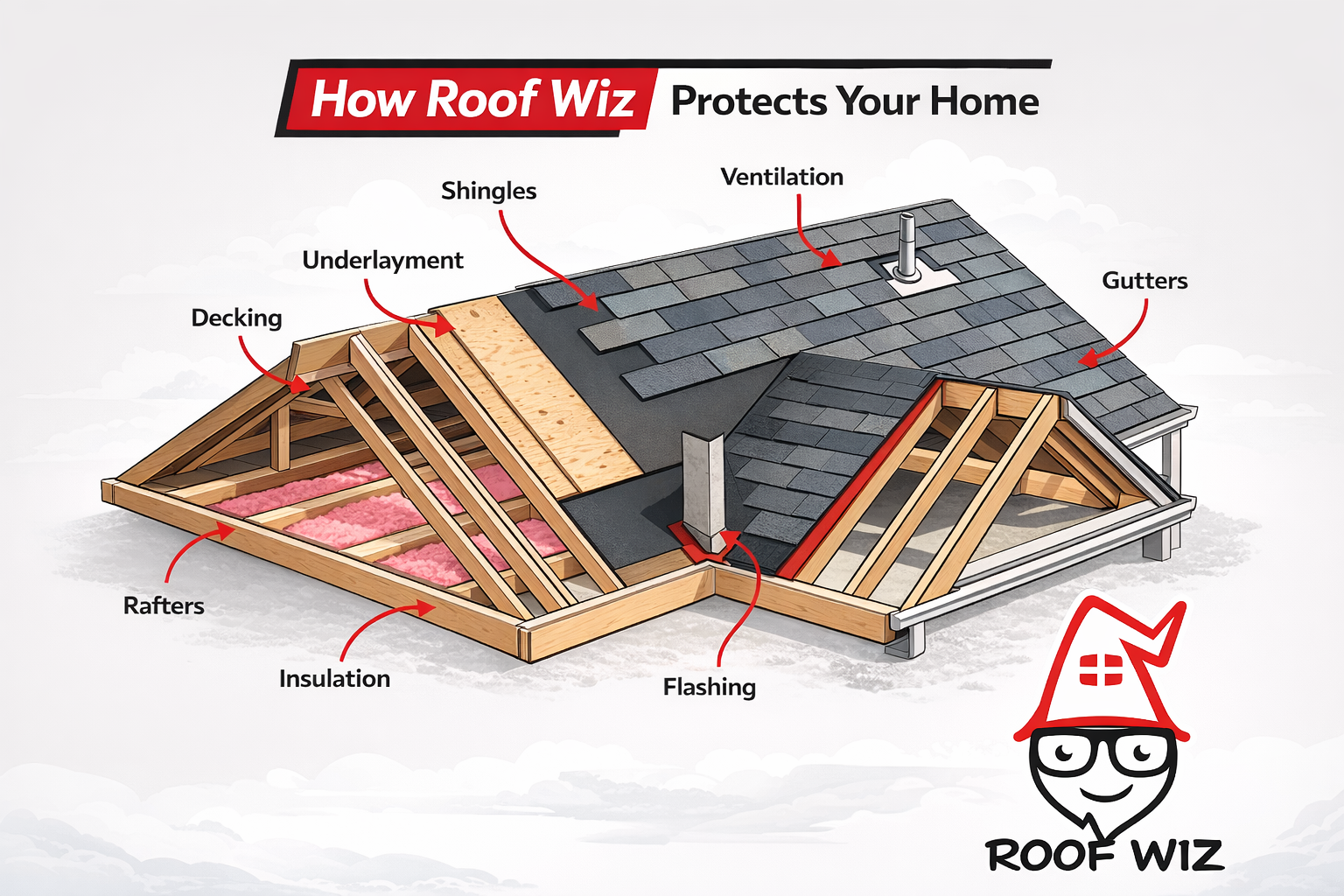
Begin by looking at the foundation of your roof—the decking. This part is crucial because it supports everything above it.
Role of Roof Decking
Roof decking acts like a backbone for your roof. It's the solid base that holds shingles and other layers in place. Made from wood or plywood, it provides structural support, ensuring your roof can stand up to heavy loads, like snow and ice. Without strong decking, your roof wouldn't have the stability it needs. Think of it as the unsung hero that keeps everything in balance.
Signs of Decking Wear
Spotting wear in your decking early can save you big headaches later. Signs include sagging, leaks, and visible water stains inside your home. If you see these, it's time to act. Regular checks can prevent costly damage. A quick inspection by a professional can identify issues before they worsen. Don’t wait for small problems to grow into big ones—catch them early and keep your home safe.
Roof Underlayment Essentials
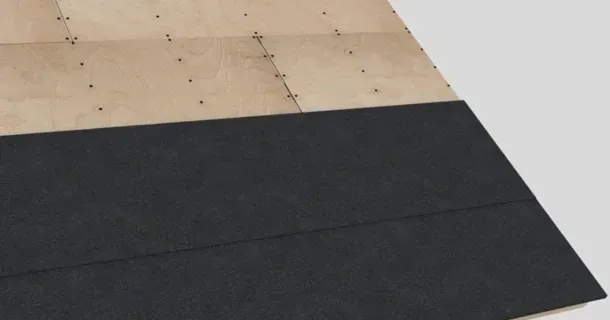
Beyond decking, underlayment adds another layer of protection. It’s like an extra shield between your home and the elements.
Purpose of Underlayment
Underlayment serves as a moisture barrier. It sits between the decking and shingles, catching any water that sneaks past the outer layers. This protects your home from leaks and mold. It’s an essential part of roof anatomy, especially in regions with heavy rain or snow. By blocking water, it keeps your roof dry and your home healthy.
Ice and Water Shield Benefits
In winter, ice and water shield offers extra security. It prevents ice dams, which can cause serious leaks. This shield is applied to vulnerable areas, like eaves and valleys, where ice buildup is common. With it, your roof handles winter weather much better. Investing in this protective layer means fewer worries when temperatures drop.
Shingles and Metal Roofing
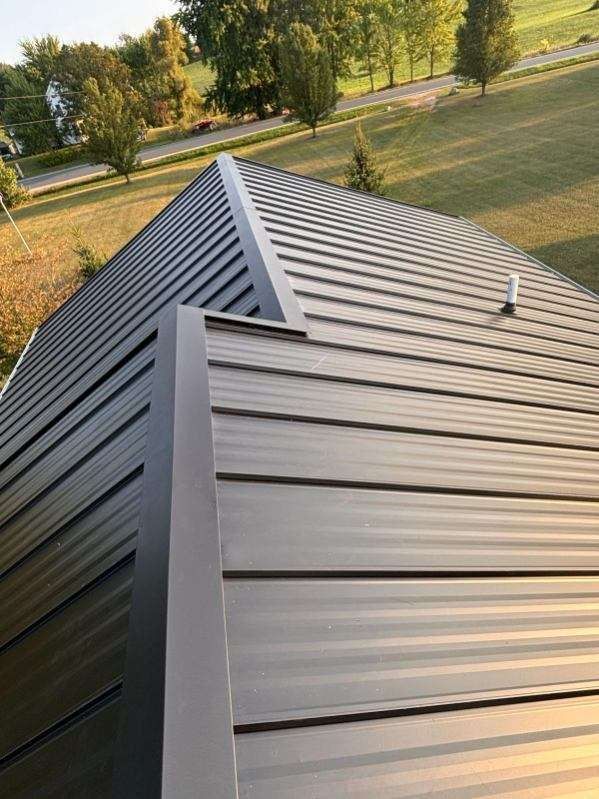
The topmost layer of your roof, shingles or metal, defines its look and adds another line of defense.
Asphalt Shingles Explained
Asphalt shingles are the most common choice for many homeowners. They offer good durability and come in various styles and colors. Their popularity comes from affordability and ease of installation. Shingles overlap to keep water out, ensuring your roof stays dry. If you’re looking for a reliable and traditional option, asphalt shingles might be your best bet.
Standing Seam Metal Roofing
Metal roofing offers a sleek, modern appearance and unmatched durability. It's especially great in harsh climates, like those in Michigan and Indiana, as it withstands wind and snow with ease. With a lifespan of 50 years or more, metal roofing is a long-term investment. Its interlocking panels prevent leaks, making it a strong choice for lasting protection against the elements.